
Nutrition & Fuel 5 min readDifficulty: intermediate
Intermittent Fasting for Women: Doing It Safely
A comprehensive guide for women on how to implement intermittent fasting safely, focusing on hormonal balance, timing, and nutritional needs.
By WelliQo Editorial Team
Key Takeaways
- Intermittent fasting (IF) is not a one-size-fits-all approach, especially for women whose hormone systems are exquisitely sensitive to energy restriction and environmental stress.
- Shorter fasting windows, typically ranging from 12 to 14 hours, often yield the best long-term results for women while preserving delicate hormonal health.
- Timing your fasting routine around the natural fluctuations of your menstrual cycle can prevent excess stress and cortisol spikes, keeping the metabolism running smoothly.
- Fasting must be intentionally combined with adequate, high-quality nutrient intake, particularly during the eating window, to actively support longevity and healthy aging.
Intermittent fasting (IF) has skyrocketed in popularity over the last decade, transitioning from a niche biohacking trend to a mainstream wellness protocol. It has been praised extensively for everything from rapid weight loss and enhanced metabolic flexibility to improved cognitive function and cellular longevity. The promise of simplified eating schedules and profound health benefits is undeniably appealing. However, there is a significant catch: much of the early research, clinical trials, and popular literature on intermittent fasting were based entirely on studies involving male subjects, male mice, or post-menopausal women.
When women in their reproductive years attempt to faithfully follow the exact same rigid fasting protocols as men, they often encounter a host of unexpected and frustrating challenges. Instead of effortless fat loss and boundless energy, they may experience missing periods, severe hair loss, intense anxiety, sleep disturbances, and stubborn weight-loss plateaus. This stark difference in outcomes highlights a fundamental truth: male and female physiologies respond differently to metabolic stress.
The female body is beautifully and intricately designed to prioritize reproduction and survival. This biological imperative means that a woman's body is highly attuned to environmental stressors, including caloric restriction, sleep deprivation, and fasting. Understanding how to adapt intermittent fasting to female biology is not just beneficial—it is absolutely crucial. In this comprehensive guide, we will deeply explore the science of fasting specifically for women, how the intricate web of hormones responds to fasting, and how you can implement these strategies safely to reap the profound benefits of healthy aging and metabolic resilience.
The Physiology of Fasting in Women
When you engage in fasting, you are intentionally withholding calories for a set, prolonged period. This physiological shift forces your body to switch its primary fuel source. Instead of relying on readily available glucose (sugar) from your most recent meal for energy, it begins to tap into stored body fat. This metabolic switch, often referred to as achieving metabolic flexibility, offers incredible health benefits. It lowers circulating insulin levels, significantly increases insulin sensitivity, and triggers a cellular cleanup process known as autophagy.
Coach's Tip
Autophagy is essentially a deep cleaning mechanism for your cells. It clears out damaged proteins, dysfunctional mitochondria, and cellular debris. This process is a major underlying factor in slowing the aging process and reducing the risk of chronic, age-related diseases.
However, for women, this intentional metabolic stress must be carefully and deliberately managed. The female reproductive system relies heavily on a vital signaling hormone called kisspeptin, which stimulates the release of gonadotropin-releasing hormone (GnRH) in the hypothalamus. GnRH then travels to the pituitary gland to trigger the release of luteinizing hormone (LH) and follicle-stimulating hormone (FSH). These hormones orchestrate the delicate dance of ovulation and maintain a healthy, regular menstrual cycle.
Kisspeptin neurons are incredibly sensitive to energy balance and nutrient availability. When a woman undergoes prolonged periods of fasting or severe calorie restriction, the brain perceives this as a state of famine. Consequently, kisspeptin production drops sharply. This biological defense mechanism can halt ovulation, plummet estrogen and progesterone levels, and lead to a condition known as hypothalamic amenorrhea (the loss of a menstrual cycle). Furthermore, fasting inherently increases cortisol (the body's primary stress hormone) and adrenaline to mobilize stored energy. While a small amount of cortisol is normal and healthy, chronic elevation can throw the entire hypothalamic-pituitary-adrenal (HPA) axis out of balance, leading to systemic inflammation and fatigue.
Why Shorter Fasts Are Often Better
Many popular intermittent fasting protocols fervently recommend a strict 16:8 schedule, meaning you fast entirely for 16 hours and consume all your daily calories during an 8-hour window. While some women do thrive on this regimen, a significant majority find it far too stressful on their bodies, particularly when combined with the demands of a modern, high-stress lifestyle, demanding jobs, and rigorous exercise routines.
For the vast majority of women—especially those still menstruating or those navigating significant life stress—a 12 to 14-hour fasting window is the biological sweet spot. This duration provides ample time for the digestive system to rest and repair, allows insulin levels to drop sufficiently to encourage fat burning, and gently stimulates cellular autophagy without sending a blaring "energy crisis" signal to the brain.
Implementing a 12-hour fast is incredibly simple and aligns closely with our natural circadian rhythms. If you finish your last bite of dinner by 7:00 PM, you simply wait until 7:00 AM the next day to eat breakfast. A 14-hour fast stretches this slightly; perhaps you finish dinner at 7:00 PM and push breakfast to 9:00 AM. This moderate approach minimizes physiological stress while still offering robust, clinically significant metabolic benefits.
The Role of Blood Sugar
One of the primary overarching goals of intermittent fasting is to stabilize blood sugar levels and improve insulin dynamics. When blood sugar is stable, the rollercoaster of cravings diminishes, energy levels remain constant and reliable throughout the day, and the body can efficiently access and burn stored fat. If you find that attempting to fast makes you ravenously hungry, dizzy, shaking, or highly irritable (often termed "hangry"), it is a blaring physiological sign that your blood sugar regulation may need significant foundational support. Before attempting longer fasts, it is absolutely crucial to ensure your daily meals are deeply nutrient-dense and properly balanced. You can learn much more about mastering your glucose levels and eliminating the rollercoaster in our comprehensive guide on Beating Sugar Cravings.
Fasting According to Your Cycle
If you are a menstruating woman, your hormone levels are not static; they fluctuate significantly and predictably over the course of roughly 28 days. Adapting your fasting routine to harmonize with these natural hormonal fluctuations is the ultimate key to doing intermittent fasting safely and effectively over the long term.
Phase 1: The Follicular Phase (Days 1-14)
The follicular phase begins on the exact first day of your period and lasts until the moment of ovulation. During this critical timeframe, estrogen is the dominant rising hormone. Estrogen is incredibly protective; it helps keep baseline insulin levels low, naturally improves insulin sensitivity, and fundamentally makes the body more robust and resilient to external stress.
Because of this increased physiological resilience, the follicular phase is generally considered the absolute best and safest time for women to experiment with slightly longer fasting windows (such as pushing to 14-16 hours) or to engage in more intense, demanding exercise routines. Your body is well-equipped to handle the temporary metabolic stress, and because insulin sensitivity is naturally higher, it makes it an optimal time to focus on aggressive fat burning and building metabolic flexibility.
Phase 2: Ovulation (Days 14-16)
Right around the brief window of ovulation, estrogen reaches its absolute peak, and testosterone also sees a small but significant surge. While subjective energy levels and mood are typically very high during this time, the body is internally working incredibly hard to release an egg. It is generally highly advised to avoid extremely long, taxing fasts during this short, delicate window. Sticking to a standard, gentle 12-14 hour overnight fast is usually best to thoroughly support the energetic and biological demands of ovulation without introducing unnecessary systemic stress.
Phase 3: The Luteal Phase (Days 17-28)
The luteal phase constitutes the second half of your cycle, leading up to the onset of your next period. Following ovulation, progesterone becomes the dominant reigning hormone. Progesterone is a wonderfully calming, metabolism-boosting hormone, but it also fundamentally changes your physiology, making you much more sensitive to stress and more prone to temporary insulin resistance.
During the luteal phase, especially in the crucial week right before your period begins, your body actively needs more calories and specifically more complex carbohydrates to produce adequate amounts of progesterone. Fasting for long, extended periods during this specific phase can severely elevate cortisol, actively suppress progesterone production, and dramatically exacerbate premenstrual syndrome (PMS) symptoms like mood swings, intense sugar cravings, anxiety, and fluid retention.
In the late luteal phase, it is highly recommended and beneficial to significantly scale back any intense fasting. A gentle 12-hour overnight fast is more than sufficient. Focus entirely on eating regular, deeply nutrient-dense meals with adequate, healthy complex carbohydrates (like sweet potatoes, quinoa, oats, and squash) to thoroughly support hormonal health and well-being.
Navigating Menopause and Fasting
For women actively traversing perimenopause and those who have reached menopause, the hormonal landscape shifts dramatically as estrogen and progesterone levels permanently decline. Because estrogen plays such a pivotal role in maintaining insulin sensitivity, menopausal women often unfortunately experience increased insulin resistance and a frustrating shift toward storing dangerous visceral abdominal fat.
Intermittent fasting can serve as a profoundly powerful tool for menopausal women to directly combat these metabolic changes. Without the continuous monthly fluctuations of the menstrual cycle to navigate, menopausal women can often safely follow a much more consistent and slightly more rigorous fasting routine. A daily 14-16 hour fast can significantly help lower fasting insulin levels, reduce systemic inflammation, and actively support healthy aging protocols.
However, stress management remains absolutely critical. The adrenal glands are tasked with taking over some minor hormone production during and after menopause, so keeping cortisol tightly in check is vital for overall vitality. If your fasting regimen causes noticeable fatigue, sleep disruption, or low-grade anxiety, it is essential to dial the fasting window back and refocus on restorative, calming practices.
What to Eat During Your Eating Window
Fasting is strictly only half of the biological equation; exactly what you choose to eat during your feeding window is equally, if not more, important. Breaking a hard-earned fast with highly processed, sugary foods will violently spike blood sugar and quickly negate many of the cellular benefits of fasting.
To actively support healthy aging and robust hormonal balance, rigorously prioritize the following during your eating window:
- High-Quality Protein: Protein is absolutely essential for preserving lean muscle mass, which naturally and progressively declines as we age. Muscle acts as a massive metabolic sink for circulating glucose, meaning the more muscle you possess, the better your overall insulin sensitivity. Aim for at least 30 grams of high-quality protein per major meal. For a much deeper dive into exactly how to structure your daily protein intake for longevity, check out our comprehensive guide on Protein Optimization.
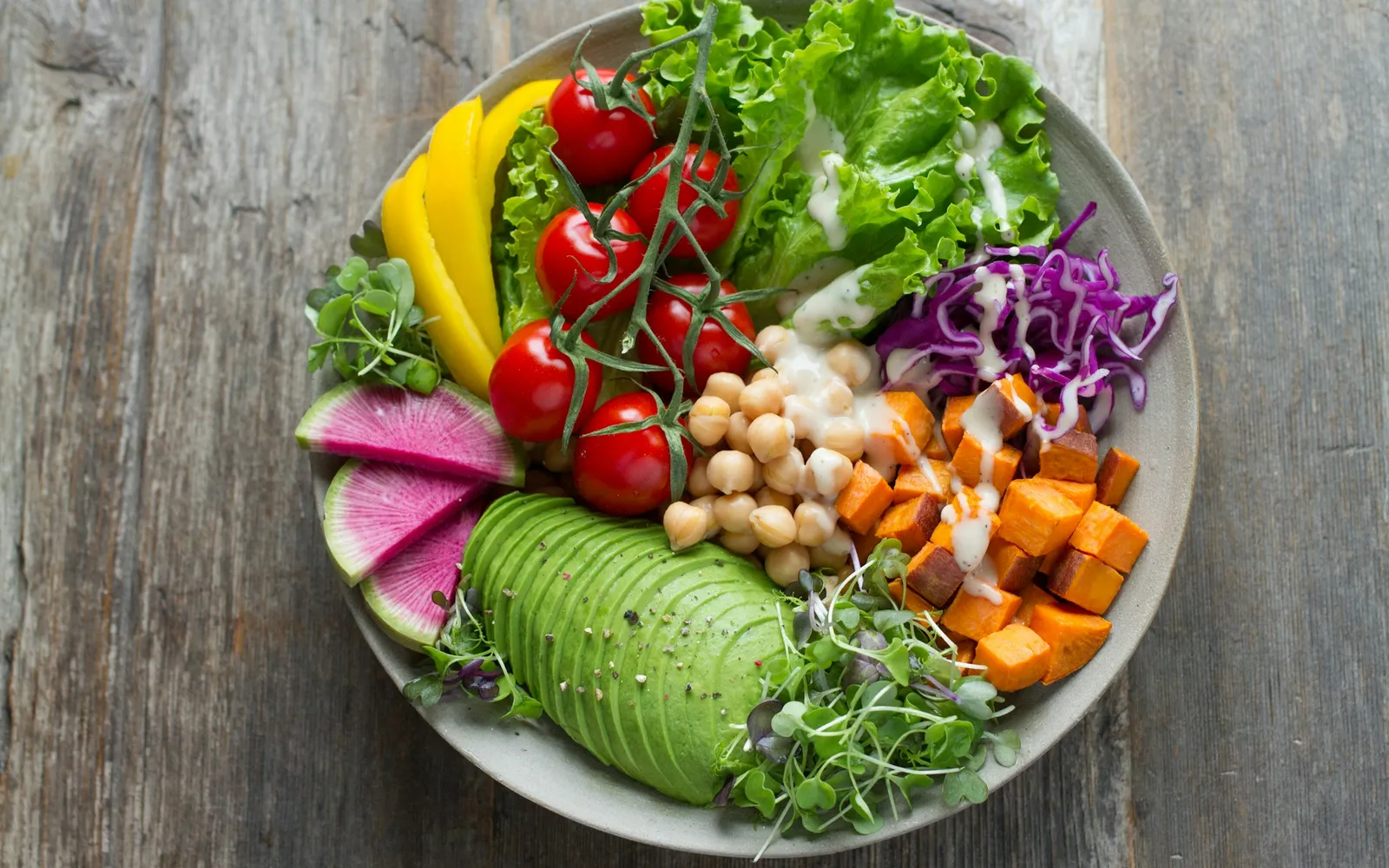
- Healthy Fats: Dietary fats are the fundamental building blocks of your hormones. Incorporating avocados, extra virgin olive oil, raw nuts, seeds, and wild-caught fatty fish provides the crucial essential fatty acids needed to support optimal hormone production, brain health, and to actively reduce systemic inflammation.
- Fiber-Rich Carbohydrates: An abundance of colorful vegetables, fresh berries, and properly prepared legumes provide the vital fiber needed for a flourishing, healthy gut microbiome, which is intrinsically linked to stable blood sugar and hormone clearance.
- Hydration and Electrolytes: The physical act of fasting naturally depletes water and key electrolytes from the body. Ensure you are drinking plenty of filtered water and strongly consider a high-quality, sugar-free electrolyte supplement, especially if you are physically active or live in a hot climate.
Coach's Tip
When strategically breaking your fast, always start your first meal with a substantial portion of protein and healthy fats rather than a heavy, dense carbohydrate load. This simple sequence prevents a sharp, rapid spike in insulin and helps keep your energy steady, focused, and reliable for the remainder of the day.
Warning Signs: When to Stop Fasting
It is absolutely crucial to listen to your body's subtle and not-so-subtle cues. Intermittent fasting is a flexible tool, not a rigid religion. If you experience any of the following concerning symptoms, it is an immediate sign that it is time to drastically reduce your fasting window or confidently take a complete break from fasting altogether:
- Missed, severely delayed, or highly irregular menstrual cycles
- Unexplained, noticeable hair loss or hair thinning
- chronic, unshakeable fatigue or severely low energy upon waking in the morning
- Severe brain fog, lack of mental clarity, or difficulty concentrating on simple tasks
- Extreme mood swings, new-onset anxiety, or feelings of depression
- Disrupted sleep architecture, frequent waking, or outright insomnia
- Feeling constantly, uncomfortably cold, even in warm environments
Fasting, when done correctly, should make you feel energized, mentally focused, and physically resilient. If it is making you feel chronically depleted or fragile, your body is loudly signaling that it desperately needs more nutritional support and significantly less environmental stress.
Conclusion: A Personalized Approach to Healthy Aging
Intermittent fasting can unequivocally be a transformative, longevity-enhancing practice for women seeking to radically optimize their health, enhance their metabolic flexibility, and gracefully support healthy aging. However, it absolutely requires a highly nuanced, flexible, and personalized approach that honors female physiology. By deeply respecting your natural hormonal rhythms, ruthlessly prioritizing nutrient density during your designated eating window, and having the wisdom to know when to scale back, you can successfully harness the profound benefits of fasting safely and effectively.
Remember, vibrant health is never built through chronic deprivation or punishing restriction. It is built steadily over time through deep nourishment, intentional balance, and constantly tuning in to the incredibly unique, ever-changing needs of your own physiology.
Can I drink coffee or tea while fasting?
Yes, consuming black coffee, plain black or green tea, and plain water will absolutely not break your fast or disrupt the beneficial process of cellular autophagy. However, adding any amount of sugar, milk, cream, collagen, or caloric sweeteners will immediately break the fasted state. If you are highly sensitive to caffeine or struggle with stress, be mindful, as drinking strong coffee on a completely empty stomach can sometimes elevate cortisol levels excessively, mimicking the stress response.
Is it safe to work out while fasting?
Many women can safely and comfortably engage in light to moderate exercise (like brisk walking, light jogging, or gentle yoga) while in a fasted state. However, high-intensity interval training (HIIT), heavy weightlifting, or endurance training may be too systemically stressful on an empty stomach for some women, leading to an exaggerated spike in cortisol and potential muscle breakdown. If you choose to do intense workouts fasted, it is often best to strategically schedule them near the very end of your fasting window so you can immediately refuel with amino acids and protein shortly after finishing.
Does fasting slow down your metabolism?
Short-term, strategically applied intermittent fasting (such as 12-16 hour windows) generally does not slow down the metabolism; in fact, it can temporarily boost the metabolic rate slightly due to a natural increase in norepinephrine (adrenaline). However, chronic, severe calorie restriction combined with excessive, overly long fasting can definitively signal the body that food is scarce. This perceived famine leads to a defensive down-regulation of the thyroid gland and a measurably slower resting metabolic rate to conserve energy. This is precisely why eating enough total calories and nutrients during your feeding window is absolutely critical for long-term success.
Recommended Assessment
Curious about your nutrient status?
Discover how your current diet is actually supporting your metabolism, longevity, and hormonal health. Take our comprehensive functional check to find out exactly where you can improve.

Ready to take control of your health?
Take our free comprehensive assessment to get a personalized action plan tailored to your exact goals and symptoms.
Start Free Assessment